Enhance Your Meals with Traditional Indian Recipes

When I think about the heart of Indian cooking, I always come back to the warmth and richness of traditional dishes. These recipes are not just about taste; they carry stories, culture, and a deep connection to health and nutrition. As someone who loves home-cooked food and understands the value of wholesome ingredients, I find that embracing traditional Indian recipes can truly transform your meals. Whether you are a fan of Maharashtrian cuisine or simply want to add more nutrition to your fasting days, these recipes offer a perfect blend of flavour and health.
Indian cooking is a treasure trove of spices, grains, and techniques that have been passed down through generations. The beauty lies in how these elements come together to create meals that are both satisfying and nourishing. Today, I want to share with you some insights and tips on how you can enhance your meals with these timeless recipes, keeping your kitchen vibrant and your body happy.
Health Benefits of Traditional Recipes
One of the reasons I cherish traditional Indian recipes is their incredible health benefits. These dishes are often made with natural, unprocessed ingredients that provide essential nutrients. For example, many Maharashtrian recipes use flours like jowar (sorghum), bajra (pearl millet), and rice, which are rich in fibre and help maintain good digestion.
Spices such as turmeric, cumin, coriander, and mustard seeds are not just flavour enhancers but also have medicinal properties. Turmeric, for instance, is known for its anti-inflammatory effects, while cumin aids in digestion and boosts immunity. When you cook with these spices regularly, you are naturally supporting your body’s wellness.
Another advantage is the balance of macronutrients. Traditional meals often combine grains, legumes, and vegetables, providing a wholesome mix of carbohydrates, proteins, and vitamins. This balance is especially important during fasting periods when you want to maintain energy without compromising nutrition.

Spices that bring both flavour and health benefits to your meals
Simple Ways to Incorporate Traditional Indian Recipes at Home
Bringing traditional Indian recipes into your daily cooking doesn’t have to be complicated. Start with small changes that make a big difference. For instance, swap regular wheat flour with authentic Maharashtrian flours like bhajani flour, which is a nutritious blend of roasted grains and pulses. It’s perfect for making rotis or bhakris that are both tasty and filling.
You can also experiment with classic dishes like poha, upma, or sabudana khichdi during fasting days. These recipes are light yet energising, and they use ingredients that are easy to find. Adding a handful of peanuts or fresh coriander can elevate the flavour and add extra nutrients.
Don’t hesitate to use homemade spice blends. Grinding your own masalas ensures freshness and allows you to control the salt and spice levels. This way, you can tailor the dishes to your taste and dietary needs.
Here are a few practical tips to get started:
Use seasonal vegetables to keep your meals fresh and vibrant.
Incorporate legumes like moong dal or chana dal for protein.
Cook with ghee in moderation for a rich taste and digestive benefits.
Try steaming or slow cooking to preserve nutrients and enhance flavours.

Enjoy a wholesome Maharashtrian meal with a variety of nutritious dishes
What is the Most Traditional Indian Dish?
When I think about the most traditional Indian dish, it’s hard to pick just one because India’s culinary landscape is so diverse. However, if I had to choose, I would say khichdi holds a special place. It’s a simple, comforting dish made from rice and lentils, often seasoned with turmeric and cumin. Khichdi is not only easy to digest but also highly nutritious, making it a staple in many households.
In Maharashtra, dishes like bhakri with pithla (a gram flour curry) are deeply traditional and reflect the rustic flavours of the region. These meals are hearty, made from locally sourced ingredients, and have been enjoyed for centuries.
Another iconic dish is idli and sambar from South India, which showcases the use of fermented rice and lentils. Fermentation enhances the nutritional profile by increasing vitamin content and aiding digestion.
These dishes remind me that traditional Indian cooking is about simplicity, balance, and respect for ingredients. They are perfect examples of how food can be both nourishing and soul-satisfying.
Why Choose Bhajani Flour for Authentic Flavours?
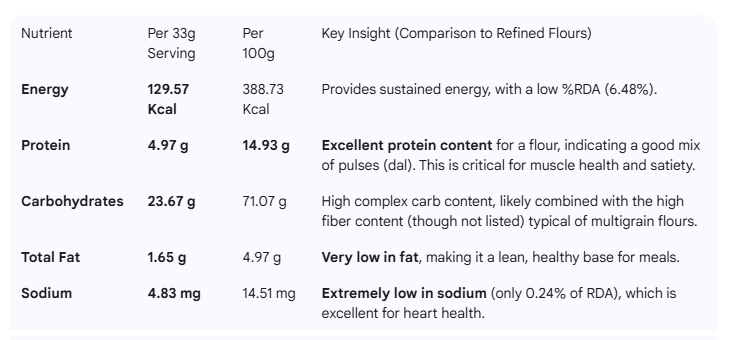
If you want to keep the authentic taste of Maharashtrian cuisine alive, bhajani flour is a must-have in your pantry. This flour is a blend of roasted grains and pulses, including jowar, bajra, wheat, and chana dal. It’s packed with protein, fibre, and essential minerals, making it a powerhouse of nutrition.
Cooking with bhajani flour is incredibly versatile. You can make bhakris, thalipeeth, or even use it as a base for snacks. The roasting process adds a nutty flavour that enhances every dish. Plus, it’s gluten-free, which is great for those with sensitivities.
Using bhajani flour also connects you to the traditional methods of cooking that have been cherished in Maharashtrian homes for generations. It’s a way to honour the past while nourishing your present.
Here’s a simple recipe idea to try:
Thalipeeth (Multigrain Pancake)
Mix bhajani flour with finely chopped onions, green chillies, coriander, and a pinch of salt.
Add water gradually to form a dough.
Roll into small discs and cook on a hot griddle with a little ghee.
Serve hot with yogurt or pickle.
This dish is quick, nutritious, and full of authentic flavour.
Thalipeeth made with nutritious bhajani flour, a Maharashtrian favourite
Embracing Tradition for a Healthier Lifestyle
Incorporating traditional Indian recipes into your cooking routine is more than just a culinary choice - it’s a lifestyle decision. These recipes encourage mindful eating, using whole foods and natural spices that support your health. They remind us to slow down, appreciate the process, and enjoy meals with loved ones.
As a nutritionist and a lover of home-cooked food, I believe that food should nourish both body and soul. Traditional Indian recipes do exactly that. They offer a way to eat well without sacrificing flavour or cultural heritage.
If you want to explore more authentic recipes and learn how to use traditional flours like bhajani, I highly recommend visiting Bhajani’s blog. It’s a fantastic resource for anyone looking to bring the true taste of Maharashtra into their kitchen.
Let’s celebrate the richness of Indian cuisine by cooking meals that are wholesome, delicious, and deeply rooted in tradition. Your body will thank you, and your taste buds will too!
Enjoy your cooking journey and remember - every meal is an opportunity to connect with tradition and nurture your health. Happy cooking!


Comments