Everything You Need to Know About Bhajani Flour

Bhajani flour is a versatile ingredient used widely in Maharashtrian cuisine. This flour mix is a perfect blend of various grains and pulses, making it a nutritious addition to your diet. In this blog post, we will explore bhajani flour in detail, from its nutritional benefits to its culinary uses.
Maharashtrian Flour Mix: What is Bhajani Flour?
Bhajani flour, also known as Bhajani, is a traditional flour mix made primarily in Maharashtra, India. The flour is typically made by grinding roasted grains such as jowar (sorghum), bajra (pearl millet), and wheat into a fine powder. Some variations may include roasted dals like chana (Bengal gram) and urad (black gram) to enrich the flavor and nutritional profile.
This flour is not only gluten-free but also rich in dietary fiber, proteins, and essential vitamins. One of the primary reasons for its popularity in Maharashtrian households is its ease of use and the unique flavor it adds to dishes.

Nutritional Benefits of Bhajani Flour
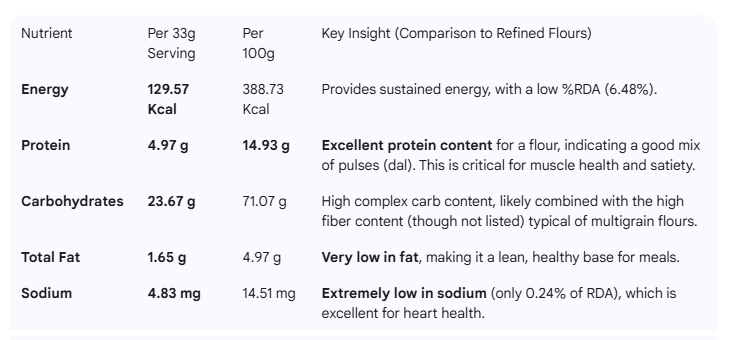
Bhajani flour is a powerhouse of nutrients. Here are some of the key benefits that make it a healthy choice:
Rich in Fiber: Bhajani flour contains a high amount of dietary fiber. This helps in improving digestion and promotes a feeling of fullness, making it an excellent choice for weight management.
High in Protein: The inclusion of pulses makes bhajani flour an excellent source of protein. This is particularly beneficial for vegetarians and vegans looking to increase their protein intake.
Low Glycemic Index: Foods made from bhajani flour have a lower glycemic index compared to those made from refined flours. This makes it a suitable option for individuals with diabetes.
Essential Minerals: Bhajani flour is rich in important minerals like iron, magnesium, and calcium, which are essential for various physiological functions.
Antioxidant Properties: The roasted grains used in bhajani are often rich in antioxidants that help combat oxidative stress in the body.
When consumed regularly, bhajani flour can contribute significantly to overall health and wellness.

How to Use Bhajani Flour in Cooking
Bhajani flour can be used in a variety of dishes. Here are some popular ways to incorporate it into your meals:
1. Bhajani Rotis
One of the most common uses of bhajani flour is to make rotis (Indian bread). To prepare bhajani rotis:
Mix bhajani flour with water to form a dough.
Roll out the dough into flat rounds.
Cook on a hot tava (griddle) till browned on both sides.
These rotis can be served with vegetables, curries, or yogurt for a nutritious meal.
2. Bhajani Dhokla
Dhokla is a popular steamed snack in India. For a bhajani version:
Mix bhajani flour with yogurt, water, and a pinch of salt.
Add a teaspoon of baking soda and let it rest for about 30 minutes.
Pour the mixture into a greased steaming tray and steam for around 20 minutes.
Cut into squares and serve with chutney.
3. Bhajani Misal
Misal is a spicy curry typically served with bread. To make a bhajani version, use bhajani flour to thicken the gravy or prepare bhajani-based bread to accompany the dish.
These recipes not only enhance the flavor but also bring forth the nutritional benefits of bhajani flour.
Tips for Storing Bhajani Flour
To maintain the freshness and nutritional value of bhajani flour, consider the following storage tips:
Choose an Airtight Container: Store bhajani flour in an airtight container to prevent moisture from getting in, which can cause spoilage.
Keep it Cool and Dark: The flour is best stored in a cool, dry place away from direct sunlight. A kitchen cupboard or pantry works well.
Check for Freshness: Always check the flour for any off odors or changes in texture before using it. Fresh flour should have a pleasant aroma and a fine texture.
Use Within a Few Months: For the best taste and nutrition, consume bhajani flour within a few months of purchase.

Incorporating Bhajani Flour into Your Diet
Incorporating bhajani flour into your meals can make a significant difference in your overall health. Here are some actionable recommendations:
Start Slow: If you are new to using bhajani flour, start by mixing it with regular flour in equal parts for rotis or pancakes. Gradually increase the ratio of bhajani flour as you get accustomed to its taste and texture.
Combine with Vegetables: Add bhajani flour to vegetable dishes or curries as a thickening agent to enhance nutrition.
Experiment with Desserts: Bhajani flour can be used in sweets such as modak or halwa, bringing a unique flavor and healthier profile to traditional treats.
Stay Mindful: If you have specific dietary needs, consult a nutritionist regarding the best ways to include bhajani flour in your diet.
Incorporating bhajani into your meals is an enjoyable way to reap its health benefits while indulging your taste buds.
Final Thoughts on Bhajani Flour
Bhajani flour is more than just a staple in Maharashtrian kitchens; it is a nutritious powerhouse that can elevate your meals while promoting good health. Whether you’re making rotis, dhoklas, or experimenting with new dishes, this flour blend will not disappoint. Start exploring the culinary possibilities with bhajani flour today!
For more insights and recipes on bhajani, check out bhajani.
In conclusion, bhajani flour is a striking example of how traditional ingredients can fit perfectly into modern diets, making it essential for anyone looking to enjoy authentic Maharashtrian cuisine while maintaining a nutritious lifestyle.


Comments